

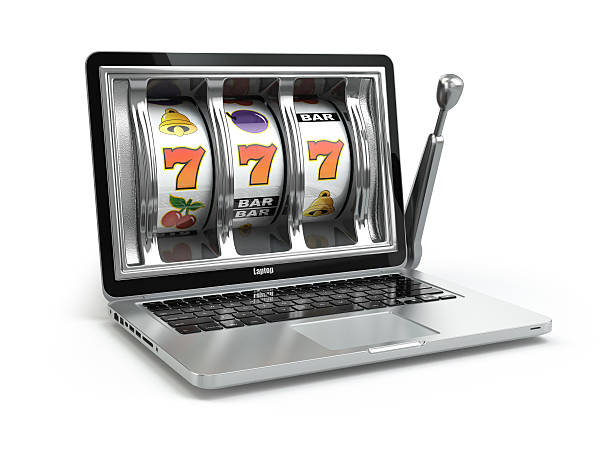
Modern online slot games may look simple on the surface, but a large amount of planning goes into what appears on the screen.
Developers combine interface structure, visual hierarchy, animation, sound, mobile compatibility, and clear controls to create digital experiences that are easy to understand.
The main goal is not simply to make reels move. Each element must help users follow what is happening, find important controls quickly, and understand different features without unnecessary complexity.
Table of Contents
The Interface Starts With Clear Visual Structure
A slot interface has to present several types of information in one compact space. Designers organize those elements so the screen remains easy to read at a glance.
Visual Hierarchy Keeps Important Elements Easy to Find
Visual hierarchy refers to the way important information is given greater attention through size, placement, spacing, or contrast.
In most online slot interfaces, the reels occupy the central area while controls remain close enough for easy access. Secondary information, such as settings or feature explanations, is usually placed around the main play area.
This creates a logical structure where users can quickly identify:
- the main reels;
- primary controls;
- stake information;
- feature indicators;
- account or menu options.
Good organization helps prevent the interface from feeling crowded.
Symbols Need to Be Recognizable
Symbols are among the most important visual elements in any slot game. They need to remain clear even when several reels are moving at the same time.
Developers often use distinct shapes, borders, sizes, or visual effects to separate regular symbols from special ones. This allows users to understand the screen more quickly without relying entirely on written explanations.
Controls Are Built Around Familiar Digital Habits
Modern users already understand how apps, websites, and mobile interfaces generally work. Slot interfaces often follow similar patterns to make navigation more intuitive.
Buttons Follow Predictable Placement
Important controls are usually positioned close to the lower section or side of the reels, where users can reach them easily.
Common controls may include:
- spin buttons;
- stake adjustments;
- information menus;
- sound settings;
- feature details.
The broader online gaming sector follows similar interface principles. Platforms associated with terms such as sbobet also use organized menus, readable controls, and structured navigation to help users move between different sections more efficiently.
Icons Reduce Screen Clutter
Icons allow developers to communicate functions without filling the screen with long labels. A speaker symbol can indicate audio settings, while a menu icon can open additional options.
When these icons follow familiar digital conventions, users can recognize their purpose quickly.
Mobile Screens Have Changed Interface Planning
Online gaming is increasingly accessed through smartphones and tablets, which means layouts must work well on smaller screens.
Responsive Layouts Adjust to Different Devices
Responsive interfaces change their structure according to screen size. A desktop version may display more information at once, while a mobile version may move secondary options into compact menus.
This approach helps keep the main controls visible without reducing readability.
Developers often focus on:
- larger touch areas;
- clear symbol visibility;
- shorter menus;
- readable text;
- balanced spacing.
These choices help the interface remain practical across different devices.
Touch Interaction Influences Button Size
Mobile users interact with screens using their fingers rather than a mouse pointer. Buttons therefore need enough space between them to reduce accidental taps.
This has encouraged cleaner layouts and larger control areas in many modern slot interfaces.
Animation Helps Explain What Happens on Screen
Motion is not only decorative. It can provide useful feedback and help users follow changes during a game sequence.
Visual Movement Marks Different Events
A symbol may glow, expand, move, or change appearance to show that a feature has been activated. Reels may also use different transition styles to distinguish regular activity from special sequences.
Small movements can communicate information faster than text.
Micro-Animations Confirm Actions
Short animations can show that a command has been accepted. A button may briefly change appearance after being pressed, or a counter may move when its value changes.
These small details make digital interactions feel more responsive.
Sound Works Alongside Visual Information
Audio can reinforce what is happening on screen. Different sounds can be connected to reel movement, button presses, symbol activity, or feature changes.
Sound Cues Create Clear Signals
A short audio cue can confirm that an action has taken place. Longer musical sequences may indicate a different stage or feature.
The most effective interfaces coordinate sound with animation so both elements communicate the same event at the same time.
Game Features Affect Screen Organization
Modern slots often include several types of symbols, counters, indicators, or progress features. These elements need careful placement to remain understandable.
Special Features Need Clear Visual Separation
Wild symbols, scatter symbols, multipliers, and collection features are usually given distinct visual treatment.
This may include unique borders, larger artwork, animation, or specific sound cues. The aim is to help users identify their function quickly.
Information Panels Support Understanding
Many games include information sections that explain symbols, features, and controls. These panels can provide additional detail without keeping too much text on the main screen.
By moving explanations into organized menus, developers can keep the central interface cleaner.
Modern Slot Design Is Built Around Clarity
The most effective slot interfaces balance visual detail with straightforward navigation. Artwork and animation can add character, but they still need to support readability.
Consistency Makes Interfaces Easier to Learn
When buttons, menus, icons, and indicators follow the same visual rules, users can understand them more quickly.
Consistency also helps different parts of the interface feel connected. A clear visual system gives users predictable signals about what they can interact with and where important information appears.
Conclusion
Behind every modern online slot screen is a carefully organized digital interface. Developers combine visual hierarchy, responsive layouts, touch-friendly controls, animation, audio, and clear information systems to make the experience easier to understand.
The key principle is clarity. A well-structured screen helps users recognize controls, follow visual events, and understand features without unnecessary effort. Modern slot development therefore depends as much on interface planning and digital communication as it does on reels and symbols.
 vinay
vinay